

The number of shoplifting offences recorded by pol...
16 hours ago
A former officer who AirDropped sexual messages to...
13 hours ago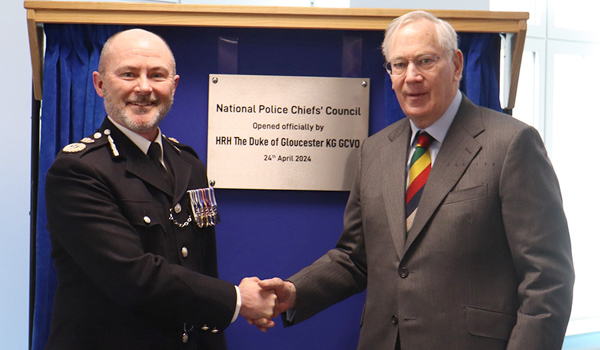
His Royal Highness the Duke of Gloucester was the ...
14 hours ago
A former senior officer who attempted to influence...
19 hours ago
Police Scotland has recorded another “sharp decr...
19 hours ago
Children as young as three are being manipulated i...
2 days ago

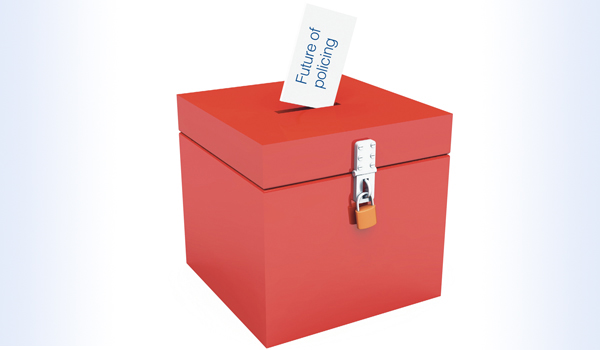
With election fever dominating the political landscape, Professor John Coxhead examines the possible implications for policing.
Mar 26, 2024 @ 17:27
Professor John Coxhead explores how right-wing rhetoric is unleashing a new terrorist threat upon the UK and without an ...

By Caroline Turner. Neurodiversity touches every aspect of modern-day policing, from how police forces recruit and tr...

This issue, the Research Inspector looks at how professional police skills can make the transition into research and aca...

Professor Colin Rogers and Helen Martin examine the dangers of cancelling school-based early intervention schemes.

Communication is key to stopping the ‘alarming’ rise in ‘self-generated’ child sexual abuse material, says repor...

Although in the UK and EU, it is illegal to create, view or share sexual images of minors, including material which has ...